4 Oct 2026
The Interconnected Data Trails Revealing Player Patterns Across Nevada's Digital Gaming Platforms
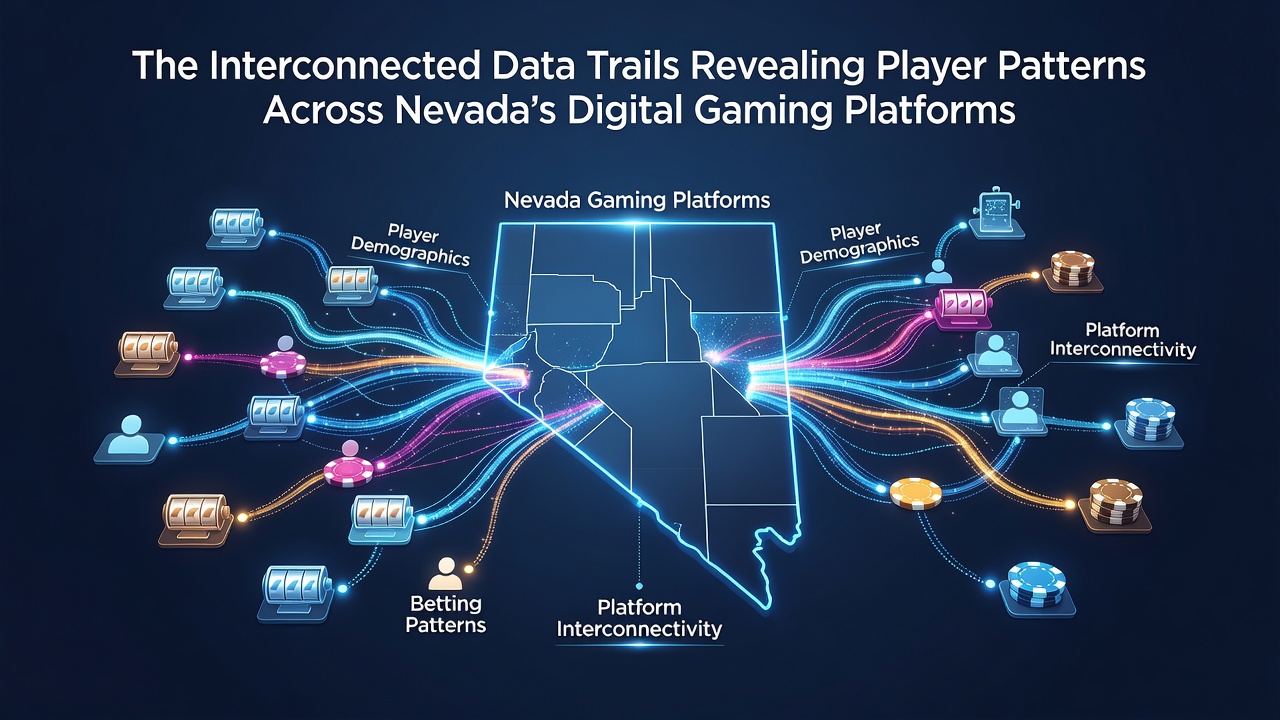
Data from Nevada's licensed digital gaming platforms flows through centralized systems that track player sessions, wager amounts, and game selections in real time, and these streams merge at points managed under oversight from the Nevada Gaming Control Board. Platforms licensed since the expansion of online options connect through shared compliance frameworks, which means individual accounts generate sequences of timestamps, device identifiers, and transaction records that link across operators when players move between sites. Researchers at institutions studying gaming analytics have documented how these merged datasets highlight repeat visit cycles, preferred game categories, and session durations that span multiple platforms rather than isolated single-site activity.
Data Collection Mechanisms in Nevada's Digital Environment
Operators record every login event, bet placement, and cash-out through software that complies with state-mandated reporting standards, and the resulting logs feed into larger repositories maintained for regulatory review. When a player switches from one platform to another, the absence of a unified player ID still allows pattern matching through overlapping behavioral markers such as betting velocity and game type preferences. Studies conducted by university-affiliated research groups have shown that these cross-platform linkages become visible once datasets undergo aggregation and anonymization processes required for compliance audits.
Patterns Identified Through Aggregated Trails
Analysis of combined records reveals clusters of activity where players concentrate wagers during specific time windows, often aligning with national sporting events or promotional periods. One dataset reviewed in 2025 illustrated how certain account groups maintained consistent play on table games across three separate platforms within the same week, while another group shifted toward slot-style offerings after initial exposure on a different site. Figures from platform operators indicate that session lengths average longer when players engage multiple environments consecutively, and these extended patterns correlate with higher cumulative transaction volumes recorded in regulatory submissions.
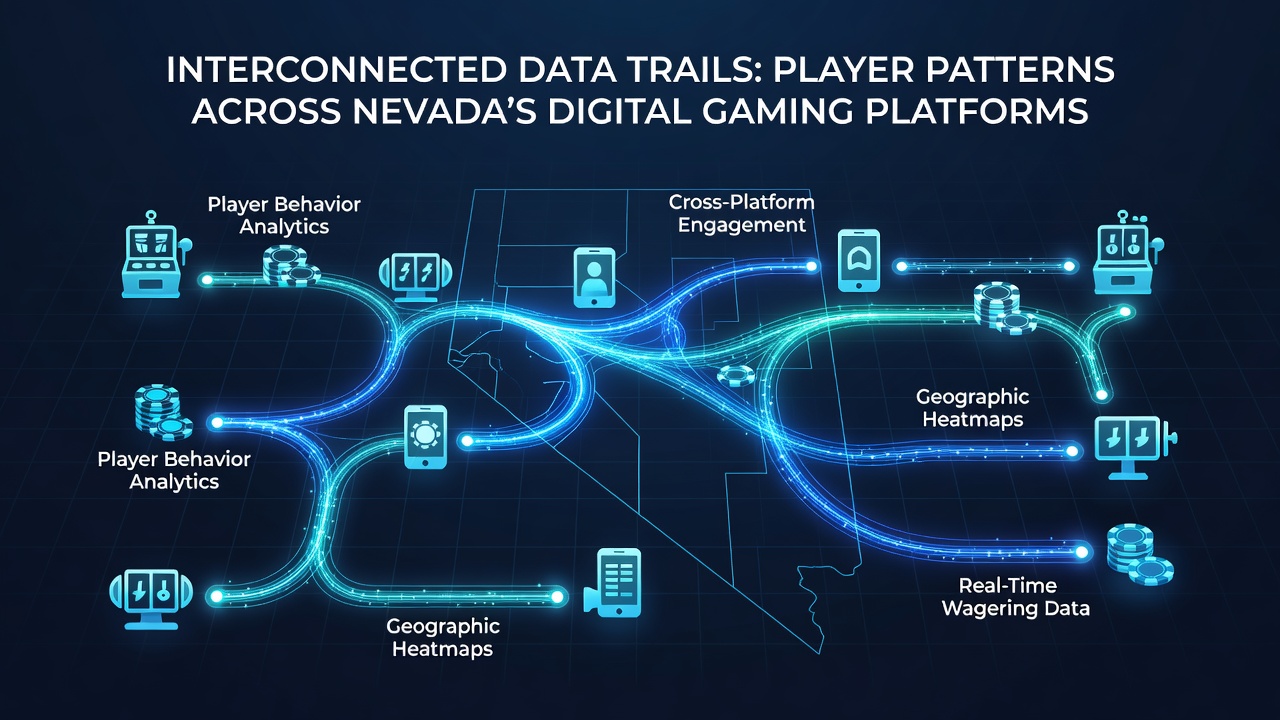
October 2026 saw regulatory updates that required enhanced logging of cross-device activity, and early returns from those requirements showed measurable increases in the granularity of time-stamped events captured by operators. Data shared with oversight bodies documented shifts in peak activity hours that aligned with changes in mobile network traffic patterns during evening periods. Observers note that such refinements allow clearer mapping of how promotional incentives on one platform influence subsequent play on others, since the timestamps create traceable sequences even without direct account linkage.
Regulatory and Technological Integration
The Nevada Gaming Control Board maintains standards that compel operators to retain detailed transaction histories for audit purposes, and these standards encourage the use of compatible data formats that facilitate cross-platform comparison when investigations require it. Industry groups such as the American Gaming Association have published summaries indicating that secure data-sharing protocols between licensed entities reduce duplication in compliance reporting while preserving the ability to detect irregular patterns. Academic papers from research centers in North America have examined how machine learning models applied to these aggregated trails identify segments of players who exhibit stable preferences across game genres despite platform changes.
Technological infrastructure includes encrypted channels that transmit anonymized summaries to central monitoring systems, and these summaries support trend analysis without exposing personal identifiers beyond what regulations permit. When anomalies appear, such as rapid escalation in wager sizes across sites, the interconnected records provide context that isolated platform data cannot supply on its own. Reports issued by the Nevada Department of Business and Industry reference the role of these combined datasets in maintaining transparency across the state's digital gaming sector.
Conclusion
Interconnected data trails in Nevada's digital gaming platforms produce comprehensive records of player movement and preference that regulatory frameworks and technological systems both support. Aggregated information from multiple operators supplies the foundation for identifying behavioral sequences that span platforms, and ongoing refinements in logging standards continue to increase the resolution of those sequences. External references from bodies including the Nevada Gaming Control Board and research publications from the International Center for Gaming Regulation illustrate how these patterns inform compliance practices and analytical capabilities within the sector.